Quality variance and manual dependency in welding
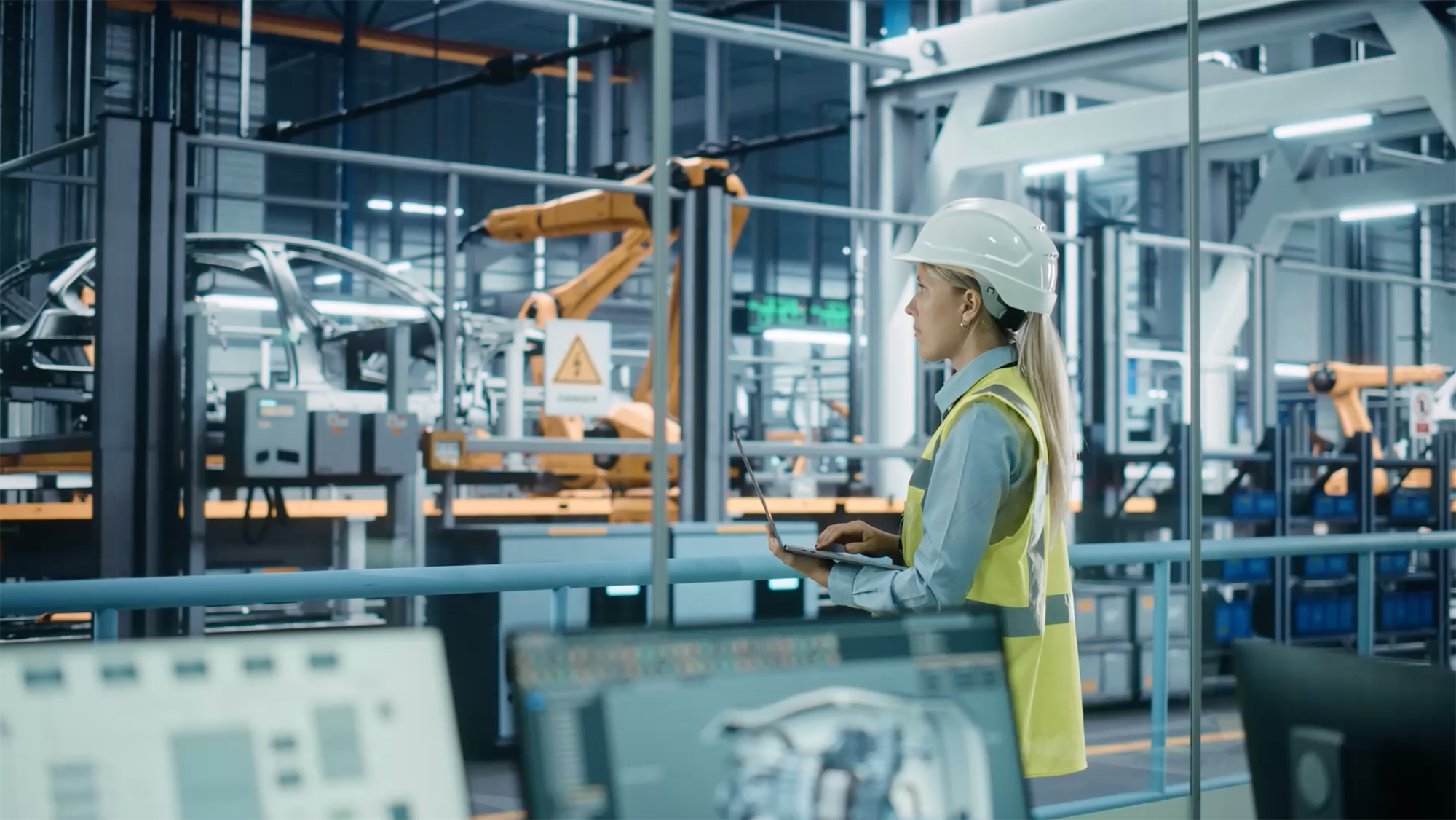
Welding is a critical process where productivity is directly tied to weld quality, yet traditional methods remain heavily dependent on the skill levels of individual technicians. Standard fixed-path automation often fails when encountering non-standardized or complex geometries, and relying on manual visual inspections makes it difficult to maintain consistent quality standards. Furthermore, the complex nature of identifying root causes when defects occur leads to structural inefficiencies, driving up rework costs and production lead times.
Integrating 3D vision and deep learning for autonomous welding
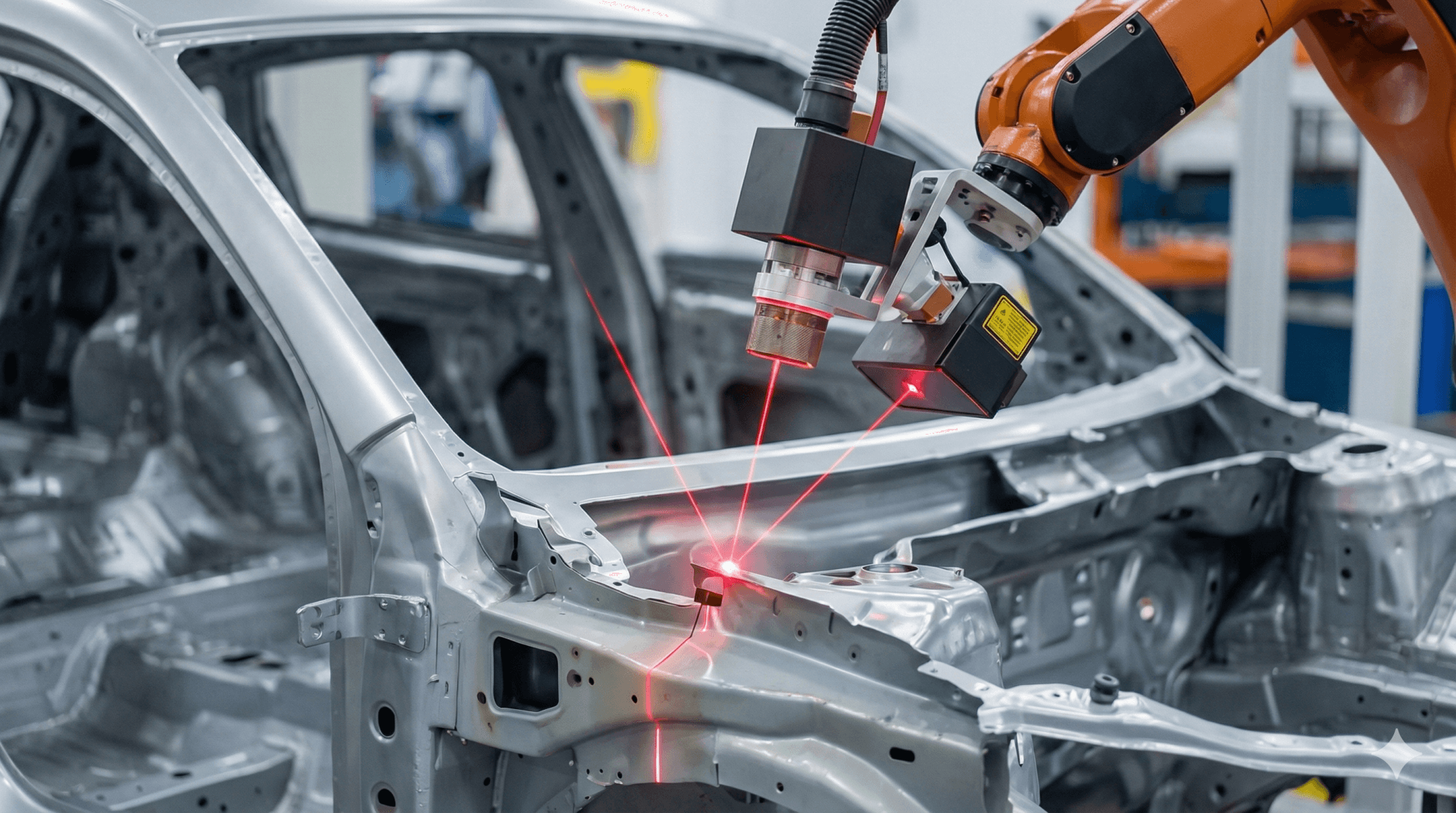
To address these challenges, we implemented an autonomous welding system that utilizes 3D vision-based shape recognition to automatically calculate and control optimal welding paths and parameters. We developed dynamic compensation logic that adjusts to changing work conditions in real-time, ensuring high-precision accuracy throughout the process. To eliminate defect escapes, we integrated a deep learning-based inspection system using both 2D and 3D vision data to automatically identify and categorize anomalies with high sensitivity. By unifying welding parameters with inspection results, we established a closed-loop, data-driven feedback system that enables continuous process optimization and rapid root-cause analysis.
Achieving quality consistency and full process automation
The implementation successfully decoupled welding quality from operator skill levels, ensuring stable and repeatable results across all workpieces. By utilizing deep learning for automated inspection, the system minimized defect escapes and ensured high-precision quality control. Automating the entire pipeline—from initial welding to final quality assessment—has significantly shortened lead times and maximized productivity, providing a robust foundation for fully autonomous factory operations.